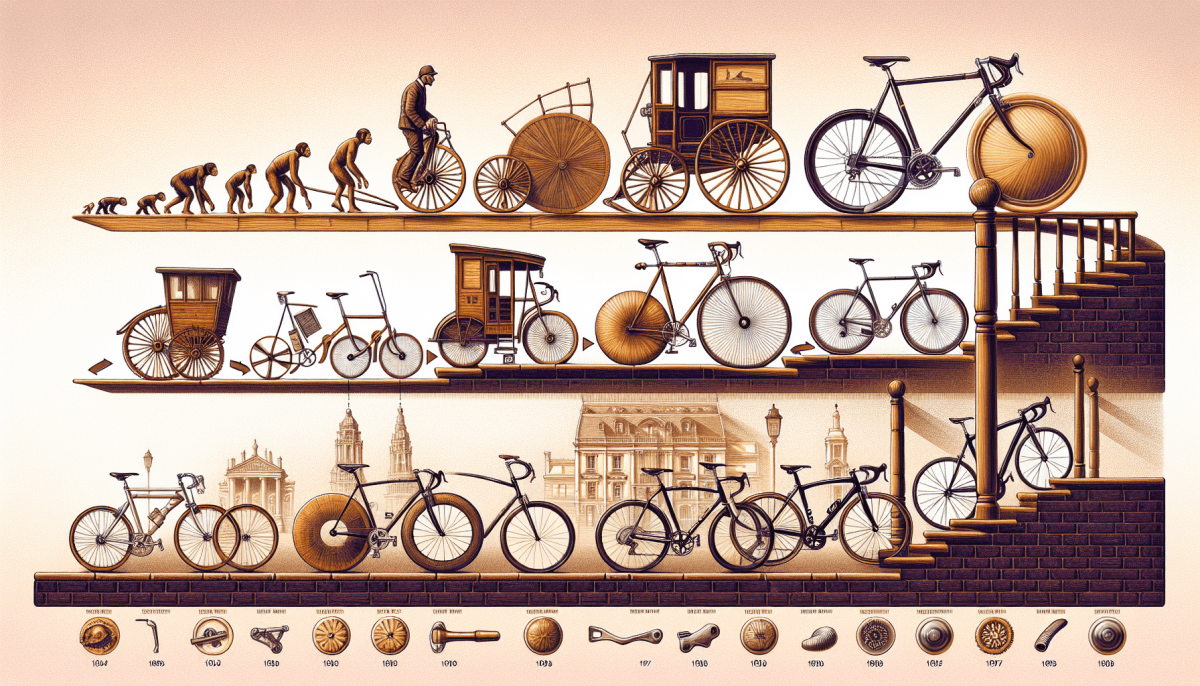
The story of the bicycle begins in the early 19th century. It all kicked off with a simple wooden frame and two wheels. The first version was called the “Draisine” or “running machine.” This basic design allowed riders to scoot along by pushing their feet against the ground. It looked a little funny, but it lit the spark for something big.
As folks saw the potential in this two-wheeled wonder, inventors got busy improving it. By the 1860s, the French came up with a pedal version called the “bone-shaker.” Riders teamed up with metal and wood for a sturdier frame. Yeah, it was still bumpy, but people loved the thrill of a faster ride!
Then came the "penny-farthing," which had a giant front wheel and a tiny back wheel. It was quite a sight! Riding one was definitely a balancing act, but it made people feel like they were flying. Kids and adults alike were ready to hop on and take a spin.
By the late 19th century, safety became a priority, and that's when we saw the introduction of the modern bicycle. The “safety bicycle” featured two equal-sized wheels and gears, making it way more stable and easier to ride. This design laid the groundwork for the bike we know and love today.
As the years rolled on, bicycles continued to evolve with new materials and technologies, making them lighter, faster, and more comfortable. From the bustling streets to the trails, the bike's journey has been nothing short of amazing. The early designs paved the way for a popular activity that brings joy to millions today!
Key Innovations Through Time
Bicycles have gone through some incredible changes over the years. It’s like watching a favorite toy evolve into something way cooler! Let’s take a ride through some key innovations that made biking what it is today.
First up, we have the introduction of the safety bicycle in the late 1800s. This design was a game changer. Instead of the high-wheeled penny-farthing, which was a bit scary to ride, the safety bicycle featured equal-sized wheels and a chain drive. It made biking way safer and more accessible for everyone. Suddenly, the average person could hop on and enjoy a smooth ride without fear of falling face-first!
Fast forward to the 1970s when mountain biking hit the scene. This was all about off-roading fun. Bikes started getting sturdier, with thicker tires and better suspension to handle rough trails. It opened up a whole new world for cyclists who wanted to explore rugged terrain. Suddenly, biking wasn’t just for commuting or leisure; it became an adventure!
In the late 20th century, the shift to lightweight materials was another massive leap forward. Aluminum and carbon fiber frames emerged, making bikes easier to handle and transport. They were faster, which every cyclist loved. Less weight meant more speed, and who doesn’t want to zip around like the wind?
Today, we’re looking at electric bikes that blend traditional biking with modern tech. These e-bikes give you a little boost, making those uphill rides a breeze. They’re perfect for anyone who wants the experience of biking without the sweat. Every innovation just keeps building on what came before, making biking better with each decade!
From Penny-Farthings to Modern Bikes
Bicycles have come a long way since their early days, starting from the quirky Penny-Farthing. This unique design featured a huge front wheel and a smaller back wheel, which made it a sight to behold. Imagine riding around with your legs way up in the air! While it looked cool, it wasn’t the most practical ride. Losing your balance on that big wheel could end with you face-first on the ground.
Then came the safety bicycle in the late 1800s, which changed everything. This design featured equal-sized wheels, making it much easier to ride. Suddenly, biking became more accessible to the masses. It was the bike that set the stage for everyone, from young kids to older adults, helping them enjoy a ride without the fear of toppling over.
Fast forward to the 20th century, and we see the introduction of gears and lightweight materials. Bikes became sportier and more efficient. Riders could tackle hills without breaking a sweat, and racing took on a whole new level. This period also birthed mountain bikes, allowing adventurers to hit trails and explore the great outdoors.
Today, we have electric bikes, foldable models, and high-tech features like disc brakes and smart connectivity. Biking has transformed from an uphill struggle to a smooth and enjoyable experience. Whether you’re commuting to work, cruising through the park, or shredding trails, there’s a bike tailored to your needs.
Today’s Bikes and What’s Next
Bikes have come a long way from their early beginnings! Those first models were all about simplicity, often made from wood and featuring a basic two-wheel design. Today, we’ve got sleek frames, high-tech materials, and all sorts of fancy gadgets. With lightweight alloys and carbon fiber, biking now feels like gliding, not just pedaling.
Modern bikes come in so many styles—road bikes for speed, mountain bikes for rough terrain, and even hybrid bikes that combine the best of both worlds. Plus, let’s not forget e-bikes! These electric-powered wonders make longer rides and steep hills way easier. They’re becoming a popular choice for daily commutes and casual rides alike. Imagine zipping around without breaking a sweat!
As we look to the future, it’s exciting to think about where bike technology is heading. Smart bikes equipped with GPS, Bluetooth, and ride-tracking apps are already making waves. Soon, we might see even smarter features, like built-in navigation systems and health monitors. The potential is huge, and it’s all about making riding safer and more enjoyable.
Don’t forget about sustainability! As more people focus on eco-friendly choices, bikes are stepping up to the plate. Many companies are looking at how to produce bikes using recycled materials and sustainable practices. It’s a great way to love the ride while also caring for our planet.