When it comes to protecting your bike, picking the right lock is key. With so many options out there, it can feel overwhelming. But don't worry! This bike lock buying guide is here to help you sort through your choices.
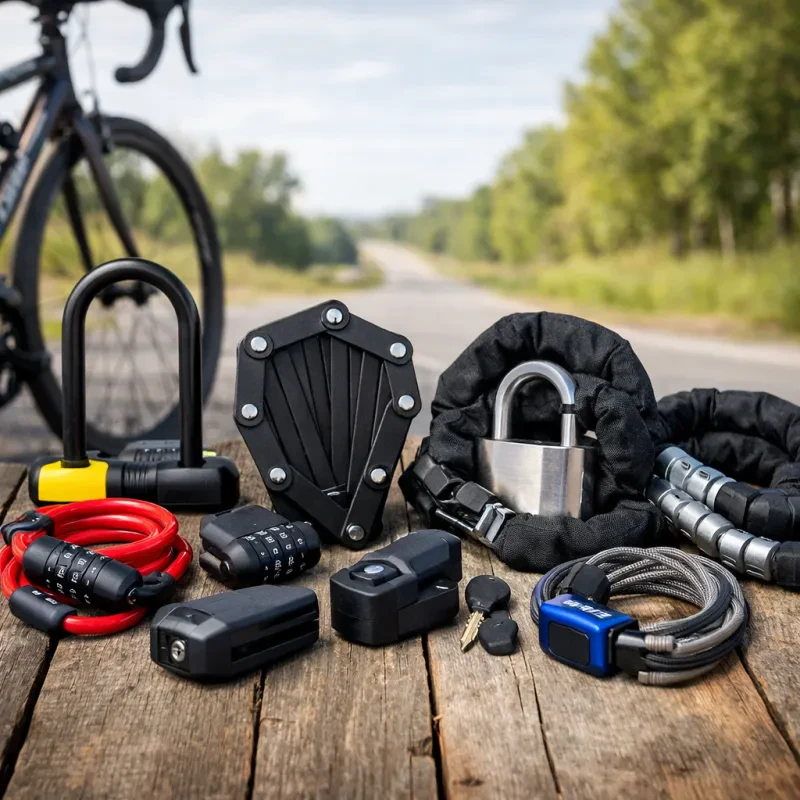
First up, think about the type of lock you want. There are three main types: U-locks, chain locks, and folding locks. U-locks are tough and resistant to cutting or smashing, making them a popular choice. Chain locks offer flexibility in securing your bike but can be heavier. Folding locks strike a balance—they’re lightweight and compact while still providing decent security. Pick what fits your lifestyle best.
Now, consider the security level. If you often park in high-risk areas, invest in a high-security lock. Look for locks that have a high rating from organizations like Sold Secure or ART. For lower-risk situations like parking at home, a basic lock may do the trick. Still, never compromise too much on safety.
Don’t forget about ease of use! A lock that’s too heavy or complicated might end up being a pain to carry around. Look for one that’s easy to attach to your bike or your bag. You want something that you’ll grab every time you head out, not leave behind because it’s a hassle.
Finally, think about price. While you want to invest in good security, you don’t need to break the bank. There are plenty of solid lock options that won’t empty your wallet. This bike lock buying guide helps you find the right balance between budget and quality.
Different Types of Bike Locks Explained
When it comes to securing your bike, knowing the different types of locks can make a big difference. A good Bike Lock Buying Guide will help you navigate through various options. Each type has its perks, so let’s break them down.
U-Locks (D-Locks): These are sturdy and tough to break. Their stiff, U-shaped design makes it hard for thieves to use tools like bolt cutters. U-locks are great if you're parking in busy areas, as they’re usually lightweight and easy to carry. Just make sure to choose one that fits your bike and the object you’re locking it to.
Cable Locks: If you're looking for flexibility, cable locks are your go-to. They’re lightweight and easy to wrap around multiple parts of your bike or lock to different objects. However, keep in mind that they’re easier for thieves to cut through compared to U-locks. Use them for quick stops or in less risky areas.
Chain Locks: Chain locks offer a mix of security and versatility. They’re typically made of strong metal links and allow you to secure your bike to various objects. Plus, some models come with a tough cover to prevent scratches on your bike. While they can be heavy, they’re hard to beat in terms of durability.
Folding Locks: These are a newer option that combines the best of both worlds. Folding locks are compact, making them easy to carry, and they offer decent security. They can be more expensive, but if you want a lock that doesn’t take up much space and still provides good protection, consider this option.
Top Features to Look For in Locks
When you're picking out a bike lock, you want to make sure you're getting something that will actually keep your ride safe. Here are some top features to keep in mind, straight from our Bike Lock Buying Guide.
Lock Type: There are a few options here. U-locks are super sturdy and hard to break, making them a solid choice for city riders. Cable locks are lighter and easier to carry but should be used in low-theft areas. Chain locks offer flexibility with a bit of heft. Choose based on your riding habits!
Length and thickness: A thicker lock usually means better security. Look for locks that are at least 10mm thick. Length also matters; you want something long enough to secure your bike to a solid object without making it too easy for thieves to slip it off.
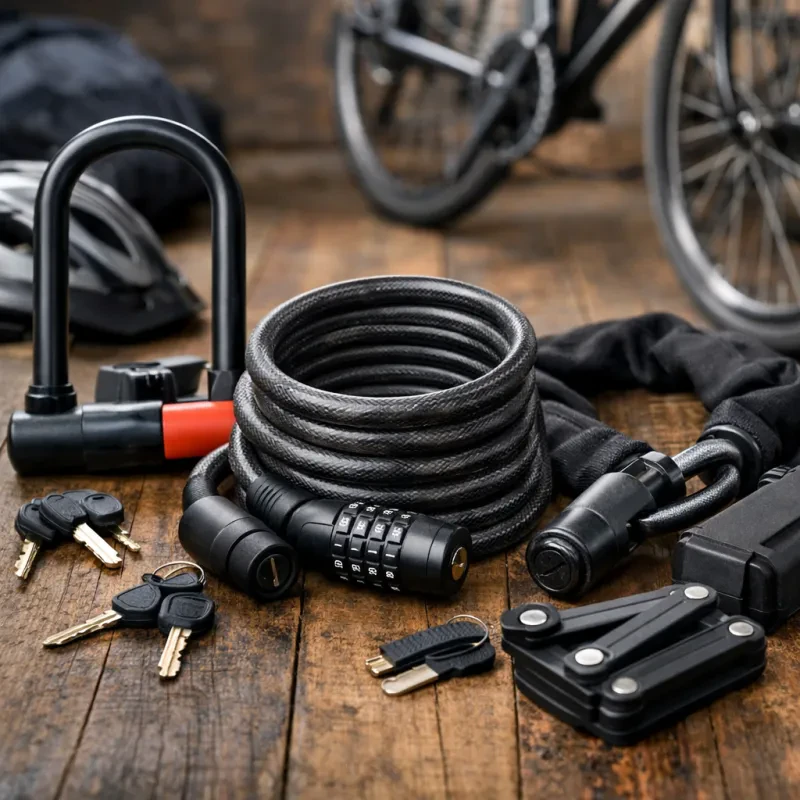
Key or combination: Some swear by the trusty key, while others prefer the convenience of a combination lock. If you can remember codes, a combo lock might be the way to go. If you want to avoid the risk of forgetting, stick with a key lock.
Weather resistance: Cyclists deal with all sorts of weather. Look for locks made from materials that can handle rain, snow, and even extreme heat. Rust-resistant coatings can help extend the life of your lock.
Tips for Using Your Lock Effectively
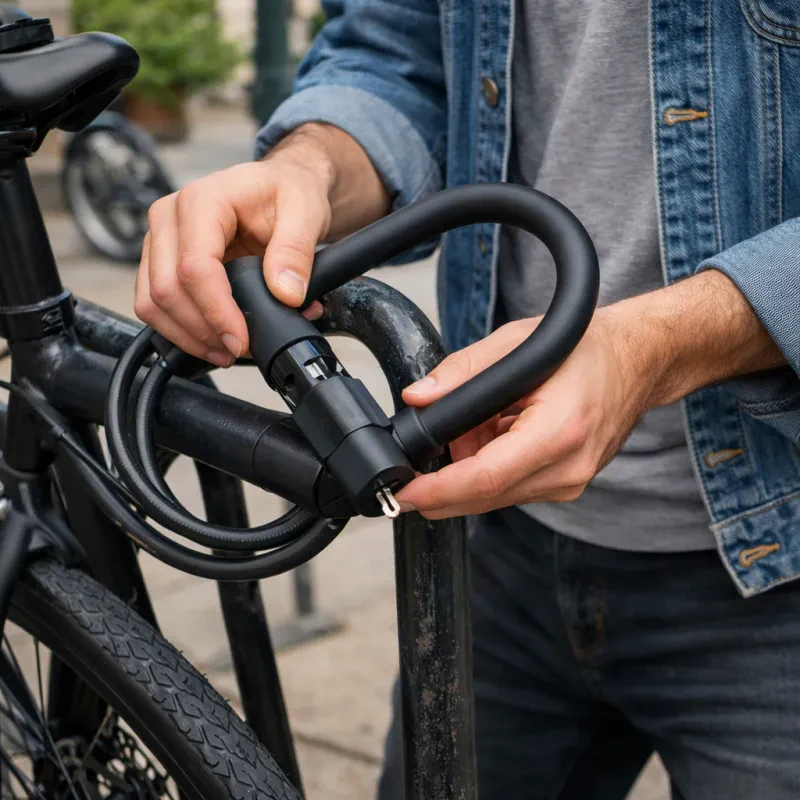
First off, find the right spot to lock your bike. Choose a well-lit area with plenty of foot traffic. The more people around, the less likely a thief will try to make a move. Look for sturdy bike racks, or even furniture like benches. Avoid locking your bike to flimsy items that a thief could easily cut or break.
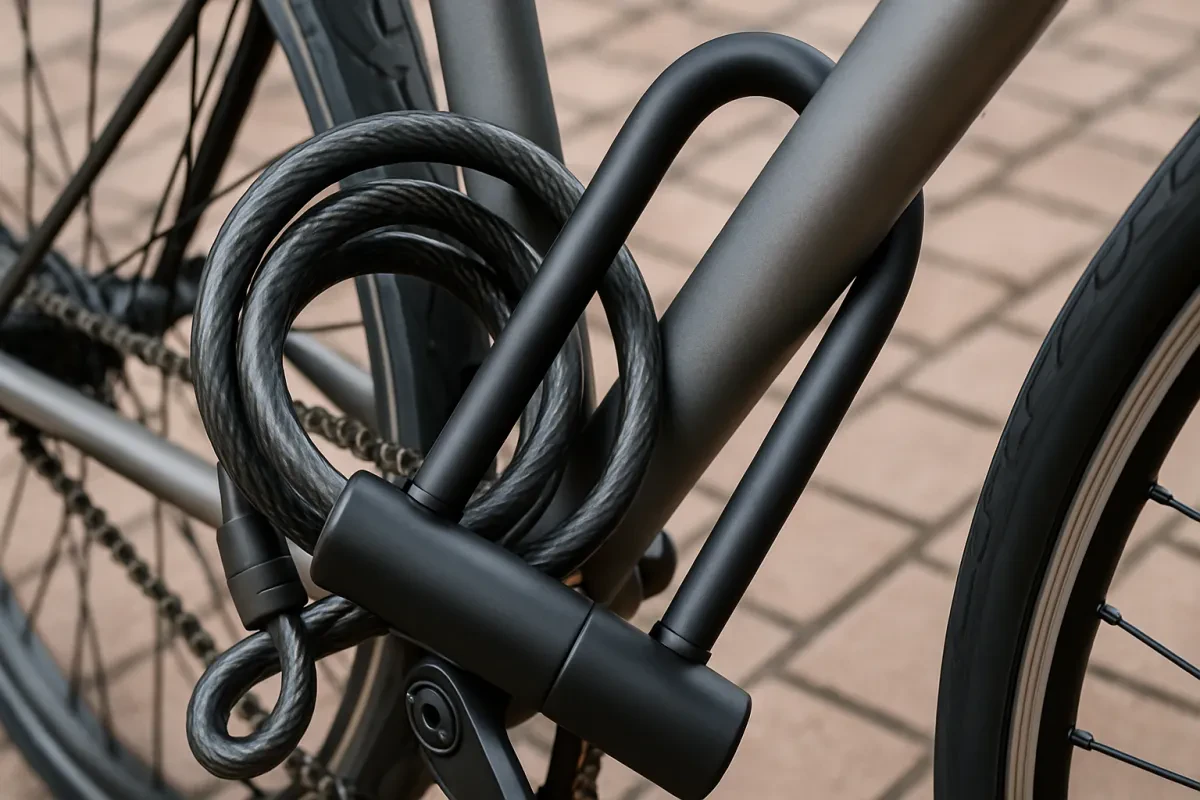
Next, lock your bike properly. Secure the frame and at least one wheel to the rack with a U-lock or a heavy-duty chain. If you're using a cable lock for the wheels, make sure it's thick and hard to cut. Remember, a thief will look for the easiest target, so make your bike a challenge!
Lastly, don't leave your lock on your bike when you're parked. That might seem strange, but thieves can use it as a tool to help them steal your bike! Take your lock with you or store it in a secure spot. Following these tips keeps your bike safer and gives you peace of mind.